Vishal Patel
 In 2026, artificial intelligence is no longer optional; it’s a core growth driver for small businesses. From automating customer support to generating content and visuals, AI chatbots and tools are helping businesses scale faster with fewer resources.
Running a small business in 2026 means doing more with less, and that’s where AI chatbots make a real difference. Instead of relying on hype, this guide focuses on tools that actually help small businesses automate customer support, create content, and increase sales.
From powerful general-purpose AI like ChatGPT and Claude to specialized solutions like Tidio and MxChat, we break down what works best based on real business needs, budget, and scalability, so you can choose the right chatbot without wasting time or money.
Why Small Businesses Need AI Chatbots
Running a small business comes with challenges, limited time, budget, and manpower. AI chatbots help solve these issues by not only automating repetitive tasks but also improving overall business efficiency.

Unlike traditional tools, modern AI chatbots use technologies like natural language processing (NLP) and machine learning to understand user intent, deliver personalized responses, and continuously improve from interactions.
Today’s AI chatbots go far beyond basic replies. They can manage customer support, update CRM systems, book appointments, generate leads, and automate workflows across your business tools, allowing you to handle multiple operations simultaneously without increasing costs.
Best AI Chatbots for Small Businesses
| Tool | Best For | Category | Pricing | Key Feature |
| ChatGPT | Content, SEO, automation | General AI | Free / Paid | Multi-purpose AI |
| Claude | Long-form writing | AI Writing | Free / Paid | Human-like content |
| Google Gemini | Productivity | AI Assistant | Free | Google integration |
| Tidio | Customer support | Live Chat + AI | Paid | Automation + chat |
| Intercom | Sales & support | CRM Chatbot | Paid | Smart automation |
| MxChat | WordPress websites | Website Chatbot | Paid | RAG-based answers |
| Drift | B2B sales | Sales Chatbot | Paid | Lead qualification |
| ManyChat | Social media automation | Marketing Bot | Free / Paid | Instagram & WhatsApp |
| Perplexity AI | Research | AI Search | Free / Paid | Real-time answers |
| Zendesk | Enterprise support | Support System | Paid | AI ticketing system |
What is an AI Chatbot?
An AI chatbot is a software application powered by artificial intelligence that can understand, generate, and respond to human language in real time. Unlike traditional rule-based bots, modern chatbots are built on advanced large language models (LLMs), enabling natural conversations, contextual understanding, and intelligent task execution.
These chatbots are widely used across business workflows, including customer support, sales, content creation, and productivity. They can be integrated into websites, mobile apps, and CRM systems to automate interactions and improve efficiency.

At their core, AI chatbots continuously learn from data and interactions, allowing them to deliver more accurate, personalized, and scalable solutions for modern businesses.
The 10 Best AI Chatbots for Businesses (2026)
Choosing the right AI chatbot can significantly impact how efficiently your business operates. From automating customer support to improving sales and content workflows, modern AI tools are designed to handle multiple tasks with minimal human effort. Below are some of the best AI chatbots for businesses in 2026, explained with their real-world applications and business value.
1. ChatGPT – The Most Versatile AI for Business Operations
ChatGPT is widely regarded as one of the most powerful and flexible AI chatbots available today. It is used across industries for content creation, SEO, coding, and workflow automation. Businesses rely on it to generate blog posts, write marketing copy, analyze data, and even assist in customer communication.
What makes ChatGPT particularly valuable is its ability to handle diverse tasks within a single platform. Instead of using multiple tools, businesses can streamline operations by integrating ChatGPT into their daily workflows, saving both time and operational costs.
2. Claude – Best for Long-Form Content and Deep Analysis
Claude stands out for its ability to process large volumes of information and generate high-quality, human-like content. It is especially useful for businesses that deal with detailed documents, reports, or long-form writing tasks.
Many teams use Claude to analyze internal documents, summarize reports, and create well-structured content that requires clarity and depth. Its strong reasoning capabilities make it a reliable tool for tasks that go beyond simple text generation.
3. Google Gemini – Seamless Integration with Daily Work Tools
Google Gemini is designed to enhance productivity by integrating directly with tools like Gmail, Google Docs, and Google Sheets. This makes it highly efficient for businesses already operating within the Google ecosystem.

Instead of switching between multiple platforms, users can draft emails, summarize documents, and analyze data directly within their existing workflow. This seamless integration significantly improves productivity and reduces manual effort.
4. Tidio – Smart Customer Support for Growing Businesses
Tidio is an AI-powered customer engagement platform that helps businesses automate real-time conversations, manage support queries, and convert website visitors into leads efficiently. It helps businesses respond instantly to customer queries, manage conversations, and capture leads directly from their website.
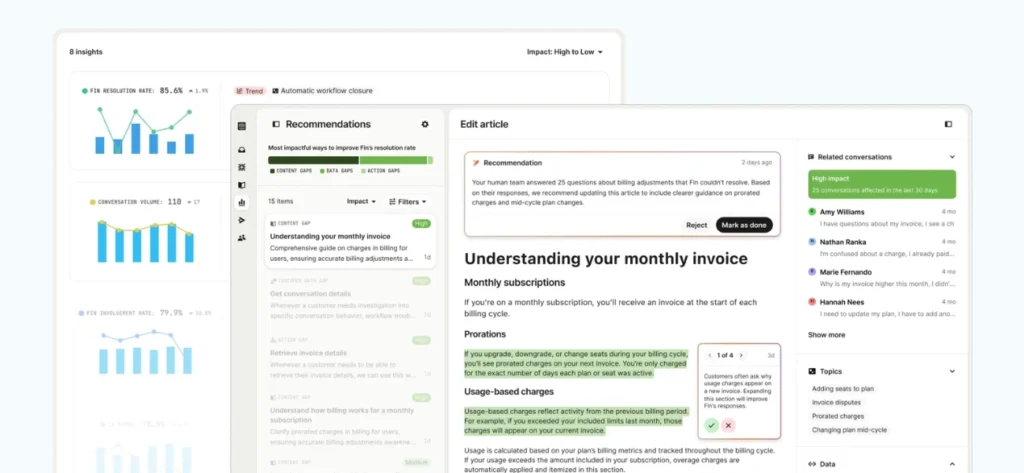
For e-commerce businesses and service providers, Tidio plays a crucial role in improving customer experience by reducing response time and ensuring that no potential lead is missed. Its automation capabilities also help reduce the need for a large support team.
5. Intercom – Combining Customer Support with Sales Automation
Intercom goes beyond basic chatbot functionality by combining customer support with sales and marketing automation. It allows businesses to engage visitors, answer queries, and guide them through the sales funnel.
This makes it particularly useful for companies that want to convert website visitors into paying customers while maintaining a high level of customer support. Its ability to manage conversations across multiple channels adds to its effectiveness.
6. MxChat – Intelligent Website Chatbot for WordPress
MxChat is designed specifically for websites, especially WordPress platforms, using advanced retrieval-based technology to provide accurate, context-aware responses.
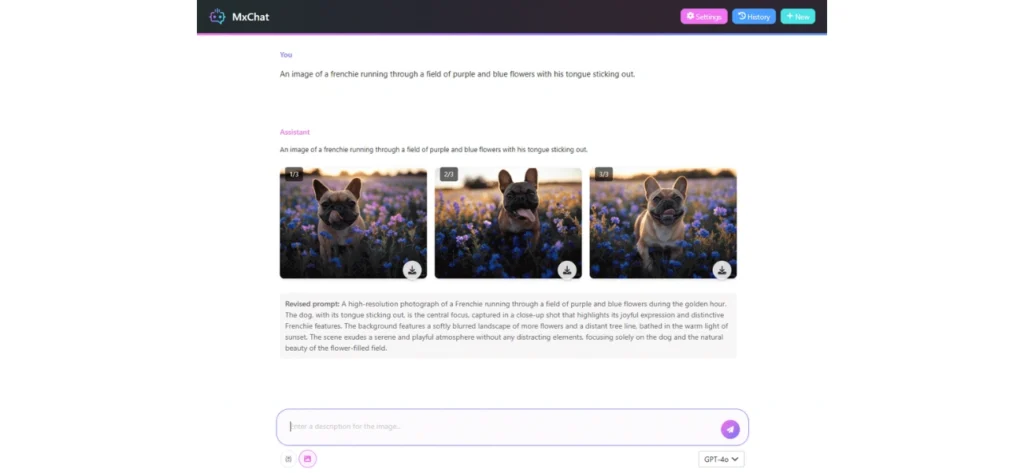
It pulls information directly from your website content, ensuring users receive relevant, precise answers. This reduces the need for manual support and enhances the overall user experience.
7. Drift – Accelerating B2B Sales Conversations
Drift is focused on helping businesses generate and qualify leads through conversational marketing. It engages website visitors in real time and identifies high-intent prospects.
By automating initial conversations and scheduling meetings, Drift shortens the sales cycle and allows sales teams to focus on closing deals rather than manual outreach.
8. ManyChat – Social Media Automation at Scale
ManyChat is ideal for businesses that rely heavily on social media platforms like Instagram, WhatsApp, and Facebook Messenger. It automates conversations, manages campaigns, and helps generate leads through messaging apps.
This makes it a powerful tool for brands that want to maintain consistent communication with their audience while scaling their marketing efforts.
9. Perplexity AI – Real-Time Research and Insights
Perplexity AI is designed for research and information gathering. It provides real-time, accurate answers with sources, making it highly valuable for market research, competitor analysis, and content planning.
Businesses use it to make informed decisions quickly without spending hours searching for reliable data.
10. Zendesk – Enterprise-Level Customer Support System
Zendesk is a complete customer support platform that combines AI chatbots with ticketing systems and automation workflows. It is designed for businesses that handle a high volume of customer interactions.
By centralizing communication across multiple channels, Zendesk helps businesses deliver consistent and efficient support at scale.
How to Choose the Right AI Chatbot
Choosing the right AI chatbot depends on your business goals, not just popularity. With so many tools available in 2026, it’s important to focus on what actually delivers results for your workflow.
- Define your use case: If your goal is content creation, tools like ChatGPT and Claude work best. For customer support, platforms like Tidio or Zendesk are more effective.
- Check integrations: A chatbot should connect easily with your existing tools like CRM, website, or communication platforms. For example, Google Gemini is highly useful if you already use Google Workspace.
- Evaluate pricing: Start with free or affordable plans, then scale as your business grows. The focus should always be on value and time-saving rather than just cost.
- Look for automation capabilities: Modern chatbots can do more than answer questions, they can capture leads, schedule meetings, and automate workflows. Tools like Intercom are strong in this area.
- Consider scalability: As your business grows, your chatbot should handle more users and complex tasks without performance issues.
The right AI chatbot is the one that fits naturally into your business operations and helps you save time, reduce costs, and improve customer experience.
Future of AI Chatbots in Small Businesses
As artificial intelligence continues to evolve, AI chatbots are becoming far more than just customer support tools. For small businesses in 2026 and beyond, they are turning into intelligent systems that can manage operations, improve decision-making, and drive growth with minimal human effort.
- More human-like conversations: Advanced models used in tools like ChatGPT and Claude are making chatbot interactions feel natural, personalized, and context-aware, improving customer experience significantly.
- End-to-end business automation: AI chatbots are now capable of handling complete workflows—from answering queries to capturing leads, updating CRMs, and even closing sales. Platforms like Intercom are already moving in this direction.
- Deeper integration with business tools: Chatbots are increasingly integrating with tools like email, calendars, analytics, and databases. For example, Google Gemini works directly within Google Workspace, making everyday tasks faster and more efficient.
- Smarter, data-driven decisions: AI chatbots will not just respond, they will analyze data, predict customer behavior, and provide actionable insights. Tools like Perplexity AI are already helping businesses with real-time research and analysis.
- Rise of specialized AI chatbots: Instead of one-size-fits-all solutions, businesses are moving toward specialized chatbots for specific tasks like eCommerce, sales, or website support. Solutions like MxChat are designed specifically for website-based interactions.
- Voice and multi-channel communication: Future chatbots will operate across text, voice, and multiple platforms simultaneously, allowing businesses to engage customers wherever they are, whether on websites, apps, or messaging platforms.
In the coming years, AI chatbots will become a core part of small business infrastructure, helping companies operate smarter, respond faster, and scale without increasing costs. Businesses that adopt these technologies early will gain a strong competitive advantage in the digital marketplace.
Frequently Asked Questions
1. Which AI chatbot is best in 2026?
The best AI chatbot in 2026 varies based on your specific needs and business goals. For overall performance and versatility, ChatGPT remains a top choice. For long-form content and deep analysis, Claude is highly effective, while Google Gemini is ideal for productivity within the Google ecosystem.
2. Which AI chatbot is best for business?
For businesses, the best AI chatbot depends on specific needs. Tidio and Intercom are excellent for customer support and sales automation, while MxChat is ideal for website integration. For research and insights, Perplexity AI is a strong option.
3. What is the best AI business to start in 2026?
The best AI business in 2026 focuses on automation and digital services. Popular options include AI-based marketing agencies, chatbot development services, content automation platforms, and AI-powered SaaS products. These businesses require low investment and offer high scalability.
4. What can AI do in 2026?
In 2026, AI can automate a wide range of business tasks, including customer support, content creation, data analysis, and workflow management. Advanced AI tools can also handle multi-step processes, integrate with business systems, and provide real-time insights, helping companies operate more efficiently and scale faster.
Final Thoughts
AI chatbots are no longer just optional tools; they are becoming essential for small businesses that want to stay competitive in 2026. From improving customer support to automating daily operations, these tools help businesses work faster, smarter, and more efficiently without increasing costs.
The real advantage lies in choosing the right combination of tools based on your needs. Platforms like ChatGPT and Claude can handle content and productivity, while solutions like Tidio and Intercom streamline customer interactions and sales.
As AI continues to evolve, businesses that adopt these technologies early will gain a strong edge in efficiency, scalability, and growth. If you want to build a future-ready business, now is the time to start leveraging AI chatbots strategically.